
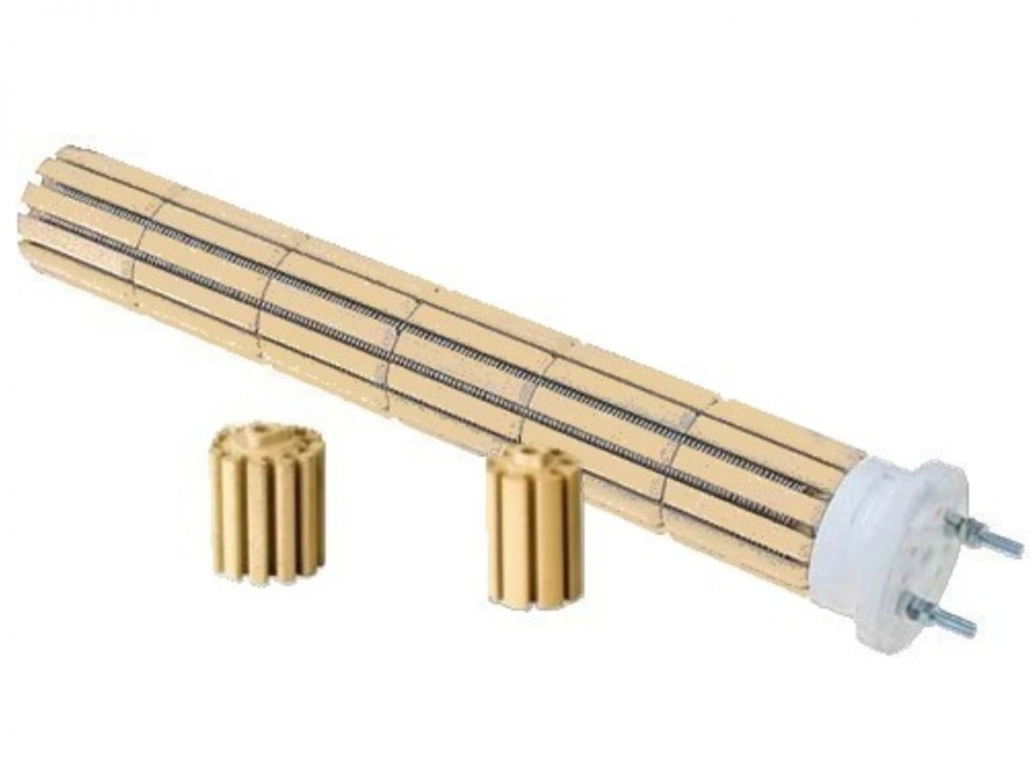
Ceramic Heating Elements: Efficiency, Benefits, and Applications Explained
Heating technology has come a long way from simple fire pits to advanced electrically powered systems. Among these innovations, the ceramic heating element has become a top choice across residential, industrial, and medical applications. Known for its energy efficiency, safety features, and durability, ceramic heating technology is transforming how we think about warmth and heat transfer.
This article explores what ceramic heating elements are, how they work, their different types, advantages, applications, and how they compare with traditional heating technologies. By the end, you’ll understand why ceramic heaters are considered the future of sustainable and smart heating.
What is a Ceramic Heating Element?
A ceramic heating element is a device made of advanced ceramic materials that generates heat when an electric current passes through it. Unlike traditional metal coils, ceramic heaters are self-regulating and can maintain a steady temperature without overheating.
Historically, heating elements relied heavily on nichrome wires and tungsten filaments, but ceramics introduced a breakthrough with their ability to withstand thermal shock and distribute heat evenly.
These elements are widely used in space heaters, ovens, hair dryers, medical equipment, and industrial machinery because they combine high thermal conductivity with enhanced safety.
How Ceramic Heating Elements Work
At the heart of ceramic heating is the principle of resistive heating. When electricity flows through a Positive Temperature Coefficient (PTC) ceramic material, it resists the current and converts it into heat.
Key working features include:
-
Resistive Heating: Electrical resistance in the ceramic generates heat.
-
PTC Behavior: As the element gets hotter, its resistance increases, naturally reducing current flow to prevent overheating.
-
Heat Transfer Efficiency: The ceramic distributes heat evenly across its surface.
This combination makes ceramic heaters both energy-efficient and safe, with built-in regulation that reduces the risk of fire or electrical hazards.
Types of Ceramic Heating Elements
Ceramic heating elements are not one-size-fits-all. They come in different types, each serving specific needs:
-
PTC Ceramic Heaters
-
Self-regulating temperature.
-
Common in space heaters and household appliances.
-
-
Infrared Ceramic Heaters
-
Generate radiant heat through infrared radiation.
-
Widely used in saunas, food warmers, and industrial drying.
-
-
Ceramic Cartridge Heaters
-
Compact design for high-temperature applications.
-
Used in plastic molding, 3D printing, and packaging machinery.
-
-
Ceramic Band Heaters
-
Wrap around cylindrical objects.
-
Ideal for injection molding and extrusion processes.
-
Each type has unique heating capacity, wattage, and voltage compatibility, allowing them to fit diverse environments.
Advantages of Ceramic Heating Elements
Ceramic heaters stand out for several reasons that make them superior to conventional metal-based heating systems.
1. Energy Efficiency
Ceramic elements consume less power while providing steady heat, lowering electricity bills.
2. Durability and Longevity
They resist thermal shock and last longer than traditional heating coils.
3. Safety Features
With overheating protection and self-regulating resistance, they reduce fire risks.
4. Versatility
From consumer electronics to heavy industrial applications, they adapt to different heating needs.
This combination of benefits positions ceramics as a sustainable heating solution for both home and industry.
Applications of Ceramic Heating Elements
Ceramic heating elements are everywhere—even if you don’t notice them. Their versatility makes them suitable across multiple sectors:
Home & Consumer Use
-
Space heaters for quick, safe heating.
-
Hair dryers and styling tools.
-
Ovens and toasters for cooking appliances.
Industrial Applications
-
Plastic injection molding machines rely on ceramic band heaters.
-
3D printers use ceramic cartridge heaters for precise temperature control.
-
Packaging machinery benefits from rapid and consistent heat.
Medical & Laboratory Use
-
Sterilization units and incubators require controlled, clean heat.
-
Scientific instruments depend on precise, reliable heating.
By integrating into everything from household appliances to laboratory instruments, ceramic heating proves itself as a universal technology.
Ceramic Heating Elements vs. Other Heating Technologies
How do ceramic heaters compare to other common heating technologies?
-
Ceramic vs. Metal Coil Elements
-
Ceramics are safer and longer-lasting, while coils heat up faster but degrade quickly.
-
-
Ceramic vs. Quartz Heaters
-
Quartz heaters emit heat via a tungsten filament in a quartz tube. They are fast but less durable than ceramics.
-
-
Cost & Performance
-
Ceramic elements often cost more initially but save money long-term due to efficiency and durability.
-
Overall, ceramics strike the right balance between safety, energy savings, and lifespan.
Key Considerations When Choosing a Ceramic Heating Element
If you’re selecting a ceramic heating element for personal or industrial use, keep these factors in mind:
-
Wattage and Power Requirements – Match heating capacity to your needs.
-
Size and Fit – Ensure compatibility with your device or system.
-
Lifespan – Consider durability under continuous operation.
-
Cost vs. Efficiency – Higher upfront cost may save energy expenses long-term.
These considerations help ensure you choose the right ceramic heater for optimal performance.
Maintenance and Safety Tips
While ceramic heaters are low-maintenance, a few precautions maximize their safety and life:
-
Dust and Debris Control – Keep elements clean to prevent overheating.
-
Proper Installation – Use the correct voltage and wattage ratings.
-
Safety Certifications – Look for standards like UL and CE compliance.
Regular checks ensure not only efficiency but also user safety.
Future Trends in Ceramic Heating Technology
As technology evolves, ceramic heaters are becoming even more advanced:
-
Smart Heaters with IoT Integration – Allowing remote control and monitoring.
-
Eco-Friendly Materials – Sustainable ceramics for greener heating solutions.
-
Electric Vehicle Applications – Ceramic elements are used in EV battery heating systems for efficient temperature regulation.
This trend points toward a future where ceramic heating will be integral to renewable energy systems, electric mobility, and smart homes.
Conclusion: Why Ceramic Heating Elements Are the Future
The ceramic heating element combines energy efficiency, safety, and long-lasting performance—making it one of the most reliable heating technologies available today. From household appliances to industrial machinery and medical devices, ceramics deliver consistent, safe, and eco-friendly heating.
As the world shifts toward sustainability and smart technology, ceramic heating elements are expected to lead the way, offering solutions that balance performance with environmental responsibility.


