
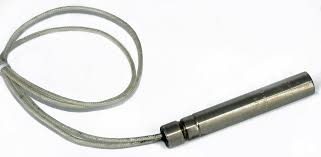
Metric Cartridge Heaters: Types, Applications & Benefits
Metric cartridge heaters are compact, cylindrical electric heating elements widely used in industrial, commercial, and laboratory settings. Designed to fit into precise diameter holes, these heaters provide localized, high-efficiency heating for molds, dies, platens, and other specialized applications. Their precise control, fast heating, and durable construction make them an indispensable tool in many industrial processes.
This guide offers a deep dive into metric cartridge heaters, covering their working principles, types, applications, advantages, installation and maintenance tips, and safety considerations. By the end, you’ll understand how to select the right cartridge heater and maximize its performance.
What Are Metric Cartridge Heaters?
Metric cartridge heaters are electrical resistance heaters designed to fit into cylindrical holes of exact diameters, typically specified in millimeters. They are used for localized heating, where precision and uniformity are critical.
These heaters are essential in industries such as:
-
Plastic injection molding
-
Die-casting
-
Food processing
-
Laboratory equipment
-
Semiconductor manufacturing
The compact cylindrical design allows them to deliver fast, even heating with minimal heat loss. Integrated thermocouples can provide precise temperature monitoring and control, making them highly versatile for specialized applications.
LSI Keywords: electric cartridge heaters, industrial heating elements, precision heating solutions, high-temperature cartridge heaters
NLP Entities: metric cartridge heater, heating element, temperature control, thermocouple, industrial mold, die, heater diameter
How Metric Cartridge Heaters Work
Principle of Operation
Metric cartridge heaters operate by converting electrical energy into heat through a resistive heating coil, usually made from Nichrome wire. When electricity passes through the coil, it generates heat, which is conducted through the sheath—typically stainless steel or Incoloy—and transferred to the surrounding material.
Some cartridge heaters come with embedded thermocouples for precise temperature measurement, allowing for automated temperature regulation in industrial processes.
Components of a Metric Cartridge Heater
-
Heating Coil: The resistive wire that generates heat.
-
Sheath: Stainless steel or Incoloy casing ensures durability and efficient heat transfer.
-
Insulation: Magnesium oxide (MgO) powder surrounds the coil to electrically insulate it while conducting heat efficiently.
-
Leads or Terminals: Provide electrical connection; often high-temperature insulated to withstand industrial environments.
Types of Metric Cartridge Heaters
-
Standard Cartridge Heaters: General-purpose, fixed watt density heaters suitable for most industrial applications.
-
High-Watt Density Heaters: Deliver rapid heating in small spaces; ideal for fast-cycle processes.
-
Custom Cartridge Heaters: Manufactured to specific diameters, lengths, or wattages for specialized machinery or molds.
Applications of Metric Cartridge Heaters
Industrial Applications
-
Plastic Injection Molding: Heaters maintain precise mold temperatures to ensure product consistency.
-
Die-Casting: Maintain metal molds at high temperatures for smooth casting processes.
-
Packaging Machines: Heat sealing and forming equipment.
Commercial Applications
-
Laboratory Equipment: Heating blocks, sample incubators, and precision devices.
-
Food Processing: Equipment that requires controlled, localized heat.
-
Electronics Manufacturing: Semiconductor heating and thermal processing.
Specialized Applications
-
Hot Runner Systems: Maintain precise temperatures in injection molds.
-
Extruders: Ensure uniform heat in plastic or polymer processing.
-
Custom Machinery: Any industrial process requiring compact, high-efficiency heating elements.
Advantages of Metric Cartridge Heaters
Precise and Uniform Heating
These heaters provide localized heat exactly where it’s needed, ensuring consistent temperature across molds, dies, or plates.
Compact and Versatile Design
Their cylindrical, metric-sized design allows easy installation in tight spaces without compromising efficiency.
High Efficiency and Fast Response
High watt density models heat quickly, reducing cycle times in industrial processes and increasing productivity.
Durability
Stainless steel or Incoloy sheaths resist corrosion and mechanical stress, making them suitable for harsh industrial environments.
Compatibility with Thermocouples
Many models integrate temperature sensors, providing precise monitoring and control, essential for sensitive applications.
Choosing the Right Metric Cartridge Heater
Selecting the right cartridge heater requires consideration of:
-
Diameter and Length: Must fit precisely in the drilled hole for optimal heat transfer.
-
Watt Density: Determines how quickly the heater reaches target temperature.
-
Sheath Material: Stainless steel, Incoloy, or specialized alloys depending on operating environment.
-
Voltage Rating: Must match the power supply to prevent overheating or inefficiency.
-
Temperature Requirements: Thermocouples are recommended for precise control in sensitive applications.
Proper selection ensures long heater life, efficient energy use, and process consistency.
Installation and Maintenance Tips
-
Proper Insertion: Do not force-fit the heater; a slight clearance or high-temperature ceramic grease ensures smooth installation.
-
Electrical Connections: Ensure leads are correctly insulated and securely attached.
-
Inspection: Regularly check for sheath cracks, insulation breakdown, or loose terminals.
-
Cleaning: Keep the heater and surrounding areas free from debris to maintain efficiency.
-
Avoid Over-Tightening: Mechanical stress can damage the sheath and reduce heater lifespan.
Safety Considerations
-
Ensure heaters are operated at correct voltage and wattage to prevent overheating.
-
Handle heaters carefully to avoid burns.
-
Follow manufacturer’s maximum temperature limits.
-
Keep the surrounding area free of flammable materials.
-
Use proper grounding and insulated leads for electrical safety.
Conclusion
Metric cartridge heaters are essential for precise, efficient, and reliable heating in industrial and commercial applications. Their compact design, high watt density, and compatibility with thermocouples make them ideal for molds, dies, extruders, and custom machinery.
By choosing the correct heater size, wattage, and sheath material, and following proper installation, maintenance, and safety practices, you can maximize the lifespan and performance of metric cartridge heaters. They remain a cost-effective solution for localized heating, improving efficiency and process quality across industries.
FAQs
Q1: What are metric cartridge heaters used for?
-
For heating molds, dies, platens, extrusion systems, and laboratory equipment.
Q2: How do you choose the right size and wattage?
-
Consider the diameter, length, watt density, voltage, and temperature requirements of your application.
Q3: Can cartridge heaters include thermocouples?
-
Yes, many models integrate thermocouples for precise temperature control.
Q4: How long do metric cartridge heaters last?
-
With proper installation and maintenance, they can last for several years even in industrial conditions.
Q5: Are they suitable for high-temperature industrial applications?
-
Yes, high-watt density and Incoloy sheath heaters are designed for demanding environments.


